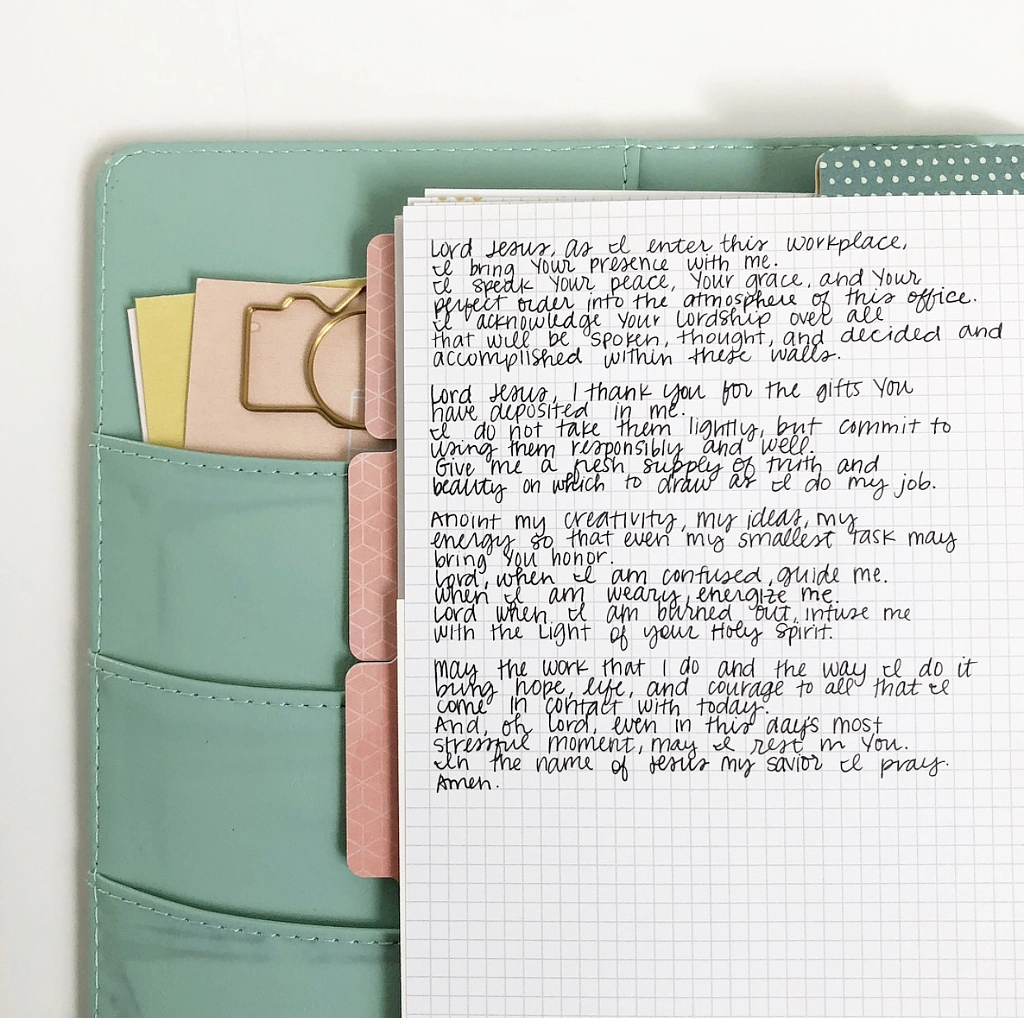
I asked ChatGPT to help me with a poem that gave off the same vibes as my Striving & Stillness post for my vision board. I know people have ~*~feelings~*~ about ChatGPT’s help in creative writing, but I really want it to live in this space, too. <3
I’ve always been the kind of person who pushes harder. If a little discipline is good, then surely more must be better. My default is to add another list, try a new routine, or squeeze one more ounce of productivity out of the day. And in motherhood, that tendency only intensified—everywhere I turn there’s advice about how to be more intentional, more motivated, more structured, more productive. Do this, don’t do that. Build the perfect morning routine. Follow the right parenting strategy. Be both gentle and firm, disciplined yet carefree. But here’s the question that keeps tugging at me: If I’m not doing all the things, am I failing? How do we get things done if we’re not constantly driving ourselves forward at 100 miles an hour?
When I turn down the volume of culture and turn toward Scripture, I hear something so different. The Bible doesn’t call me to hustle harder—it calls me to abide. To rest. To trust that Callahan doesn’t ultimately need a perfectly disciplined mother, but a mother who is rooted in Christ. So what does biblical motherhood look like? How do we hold the tension between motivation and discipline on one hand, and the calm stillness of God’s presence on the other? That’s the balance I’m learning to lean into.
Motherhood today comes with a constant stream of voices. Scroll through Instagram or open a parenting book and you’ll find endless advice—some good, some overwhelming, all promising to shape us into better moms. If we just follow the right method, try the latest trend, or add a new routine, we’ll finally feel like we’re “enough.” But when I open my Bible, the tone is different. Scripture whispers what culture shouts over: “Be still, and know that I am God” (Psalm 46:10). Jesus Himself invites us, “Come to me, all who labor and are heavy laden, and I will give you rest” (Matthew 11:28). Rest, not hustle. Abiding, not striving. It’s such a contrast, isn’t it? The world says: produce, achieve, stay motivated, keep up. God says: abide in Me, for apart from Me you can do nothing (John 15:5). One demands more of me; the other reminds me that He has already given me all I need.
And here’s the beautiful thing: when I rest in Him, it doesn’t mean nothing gets done. It means that the work I do flows out of peace instead of panic, from a place of dependence instead of depletion. That kind of motherhood—the one rooted in stillness—isn’t flashy. But it is deeply faithful. When I think about “biblical motherhood,” my mind often wants to jump straight to checklists: teaching my child Scripture, praying over meals, prioritizing church. And while those things are beautiful and important, I’m realizing that biblical motherhood isn’t another list of tasks—it’s a way of being. In Galatians 5, Paul writes about the fruit of the Spirit: love, joy, peace, patience, kindness, goodness, faithfulness, gentleness, and self-control. Notice it’s not the “fruit of a perfectly disciplined mom,” it’s the fruit of the Spirit at work within us. That’s what kids need most—not a mom who always has the right answer or the most structured plan, but a mom who abides in Christ so His character spills over into our home.
Biblical motherhood is rooted in grace instead of running on guilt. Faithfulness in small, ordinary moments instead of frantic productivity. Teaching Callahan dependence on Jesus not by my striving, but by showing how I depend on Him. Presence over perfection—choosing to sit and laugh with him instead of endlessly managing the next task. It’s not that discipline and intentionality disappear. God calls us to diligence (Colossians 3:23) and to train our children in the way they should go (Proverbs 22:6). But in His design, discipline is meant to be rooted in abiding, not in anxiety. It’s about doing the things He has placed in front of me today—not all the things I feel pressured to add on top. Biblical motherhood, then, is less about being the most motivated or productive and more about being available—for God to work in me and for me to truly see and love my child.
Now, here’s where the tension gets tricky. Because discipline and motivation aren’t bad. In fact, they’re good gifts when they’re rightly ordered. Scripture commends diligence: “Whatever you do, work at it with all your heart, as working for the Lord, not for human masters” (Colossians 3:23). The Proverbs 31 woman is celebrated for her strength, wisdom, and work ethic. God Himself is a God of order, not chaos. So the problem isn’t discipline itself—it’s when discipline becomes my savior. When I believe that being more structured, more intentional, or more motivated is the thing that will hold my world together. That’s a weight it was never meant to carry.
Redeemed discipline looks different. It’s fueled by grace, not guilt. It’s rooted in love for God, not fear of falling behind. It’s measured by faithfulness, not productivity.When I shift my perspective, discipline stops being a burden and becomes a tool—something God can use to help me steward my home well, without letting it define my worth. Motivation stops being about chasing the next trend and starts being about responding to His call for today. Instead of asking, “How much can I get done?” I can begin asking, “What has God actually placed before me right now, and how can I do it with love?” Sometimes that’s folding laundry with worship music on. Sometimes it’s sitting on the floor playing games and letting the dishes wait. Sometimes it’s closing the laptop and going to bed because rest is the most faithful choice.
Discipline and motivation aren’t erased in biblical motherhood—they’re redeemed. They take their rightful place, no longer my master, but tools that help me walk faithfully in the calling God has given me. So how do we live in this tension—between doing and abiding, discipline and rest, motivation and stillness? I don’t think it’s about finding the perfect formula. It’s more about walking closely with the Lord each day and letting Him direct our steps. For me, it means pausing to ask simple but clarifying questions: Is my schedule drawing me closer to Jesus, or pulling me further away? Am I more influenced by social media voices, or by the Word of God? What am I teaching Callahan about joy and rest by the way I live my days?
Some days, balance looks like leaning into discipline: setting routines, being intentional, managing the home. Other days, balance looks like letting go of the plan and choosing presence, laughter, or a nap. And maybe that’s exactly the point—true balance isn’t static; it’s a rhythm of listening to God’s voice and responding in faith. We don’t need to do it all. We don’t need to carry the weight of perfect schedules, flawless parenting, or endless motivation. We are called to something better: faithfulness. To love our children and point them to Jesus. To work diligently, yes, but also to rest deeply in the One who holds all things together.
Let’s be mothers who model both intention and surrender. Who work hard but also play. Who live disciplined lives, yet are marked by joy, peace, and rest. Because in the end, the story of our motherhood isn’t about how much we accomplished—it’s about Who we abide in.
At the beginning of last year, I made a goal to spend the entire year focusing on connecting with God in prayer. I read a couple books and did topical bible studies based on prayer and in August, I upped my game by creating a prayer binder. It has easily been one of the most rewarding things I’ve ever done to invest in my quiet time with God. Now that I’ve had some time with it, I thought it might be a good time to share it here, too.
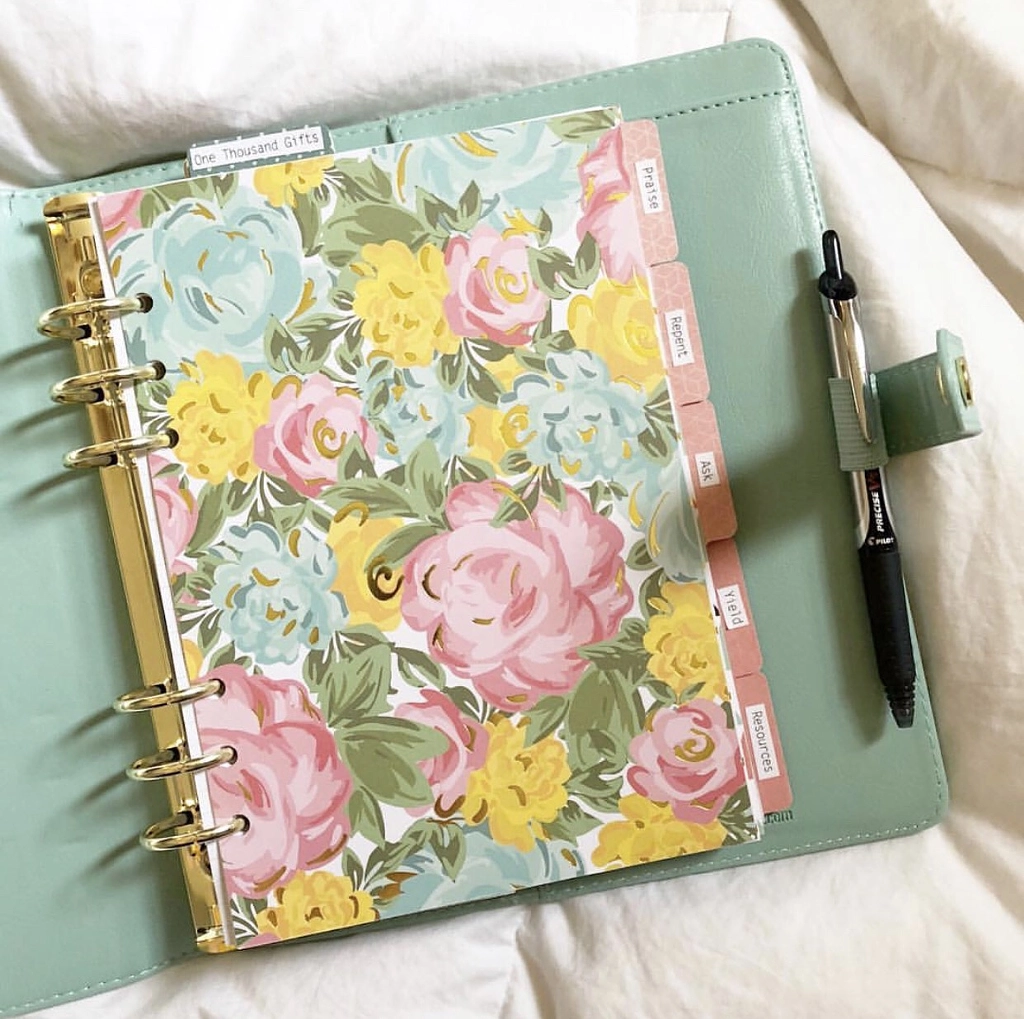
First things first, a prayer binder is a tool that helps to keep all of the things I want to pray for in one place. The best thing about using a binder, as opposed to a journal, is that it can always be evolving. Throughout the past 5 months, I’ve rotated and changed things out so that the flow of prayer comes naturally to me. My prayer binder now incorporates prayers (both written by me and by others), scripture, photos, and a couple embellishments here and there. I’m really into paper-crafting, so I had a lot of supplies on hand that I used to get started. Even though mine has lots of patterned paper and decorative bits, it can also be as plain as you want it to be. Here are the supplies I used:
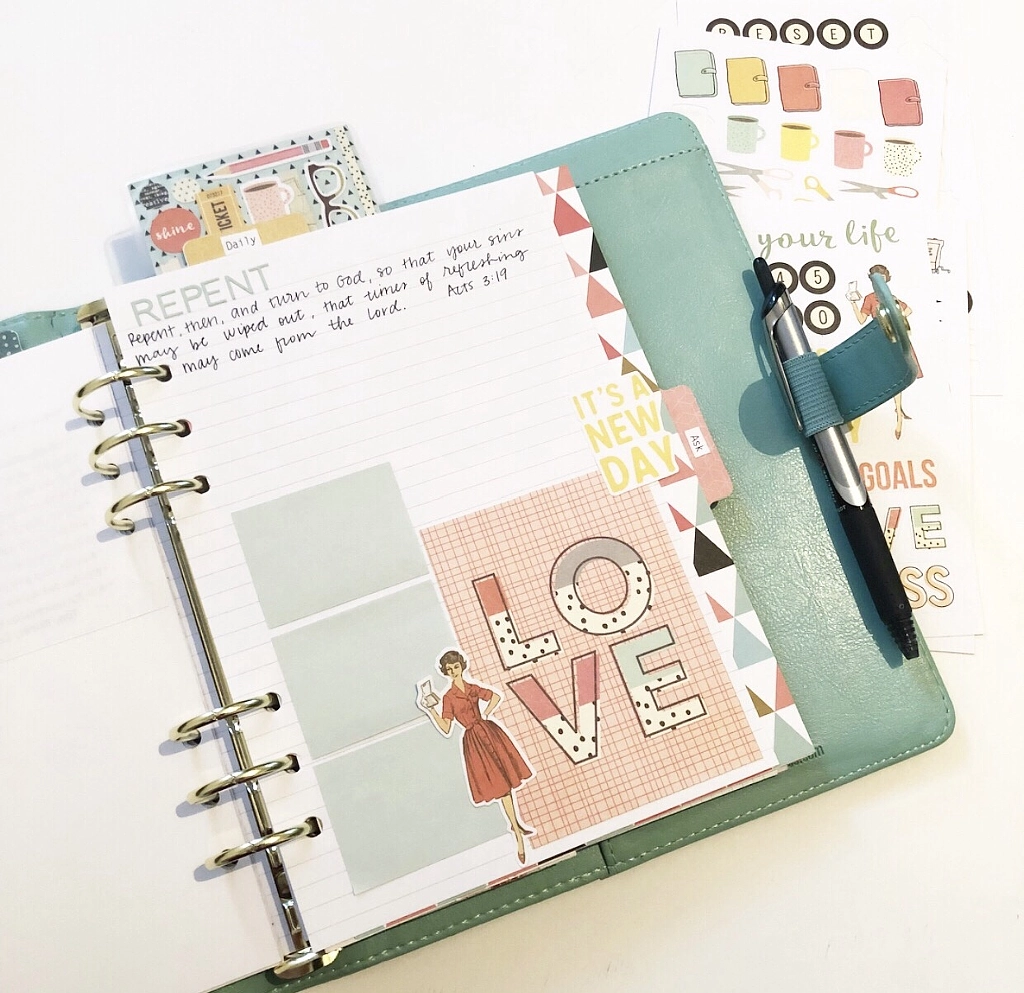
When you get down to it, my binder is comprised of 4 main parts that are made up by the acronym PRAY: Praise, Repent, Ask, Yield. I also have a resources section to keep random information and notes. Each day, I start by praying my way through both the praise and repent sections. When I get to the ask section, it’s set up into daily and weekly prayers. There are things I pray for each day, an then a rotating list of things I pray for weekly. This process give me a more reasonable amount of things to pray for each day and it helps remind me of specific details that I may forget without notes in front of me. This is followed by a section where I yield and being still before God. Throughout all sections, I write my prayers on sticky notes so that they are easily movable. It’s a way for me to wait expectantly, because when God answers the prayers, they get moved to the praise section. This way, I can continually see the work he’s done and the prayers he has answered. Here’s a look into what I’ve included in each of the sections:
I pray specifically for the sin in my life and for my eyes to be opened to the things that I need to bring before the Lord.
A – Ask – Daily
I use an “emergency room” section (an idea from The Reset Girl) which is a spot for anything that is urgent, needs daily prayers, or for specific and upcoming prayer requests.
Bible Verses I include with the “emergency room” section
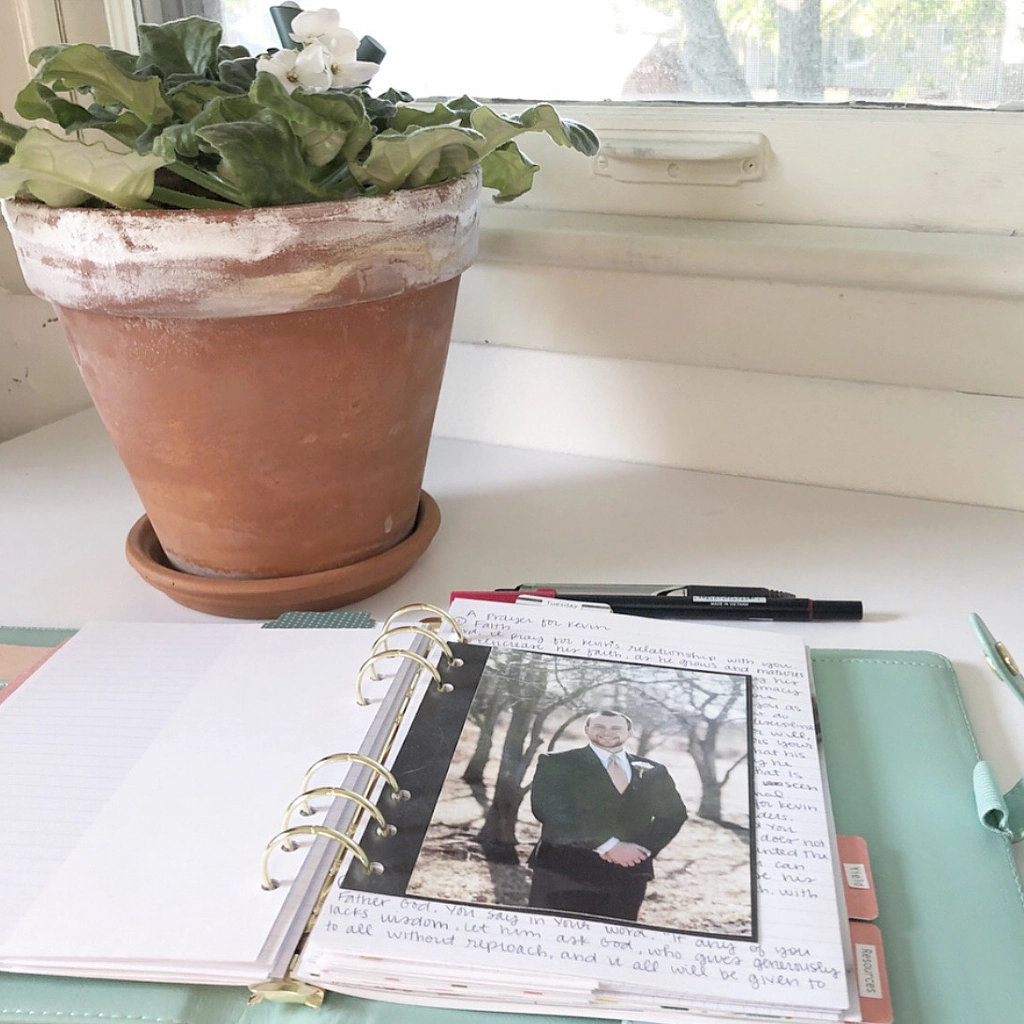
I pray daily for myself, my heart, goals, divine appointments, and my relationships as they relate to the prayers for the next section.
A – Ask – Weekly
Monday – Our Marriage
Even though I pray for Kevin and our marriage daily, I include it on Mondays as well in more of a ministry type of way and the way we welcome people into our house and life. This is also a catch-all for anything else related to our marriage that doesn’t fall into the daily section. For example:
Our House
Hospitality
Our goals
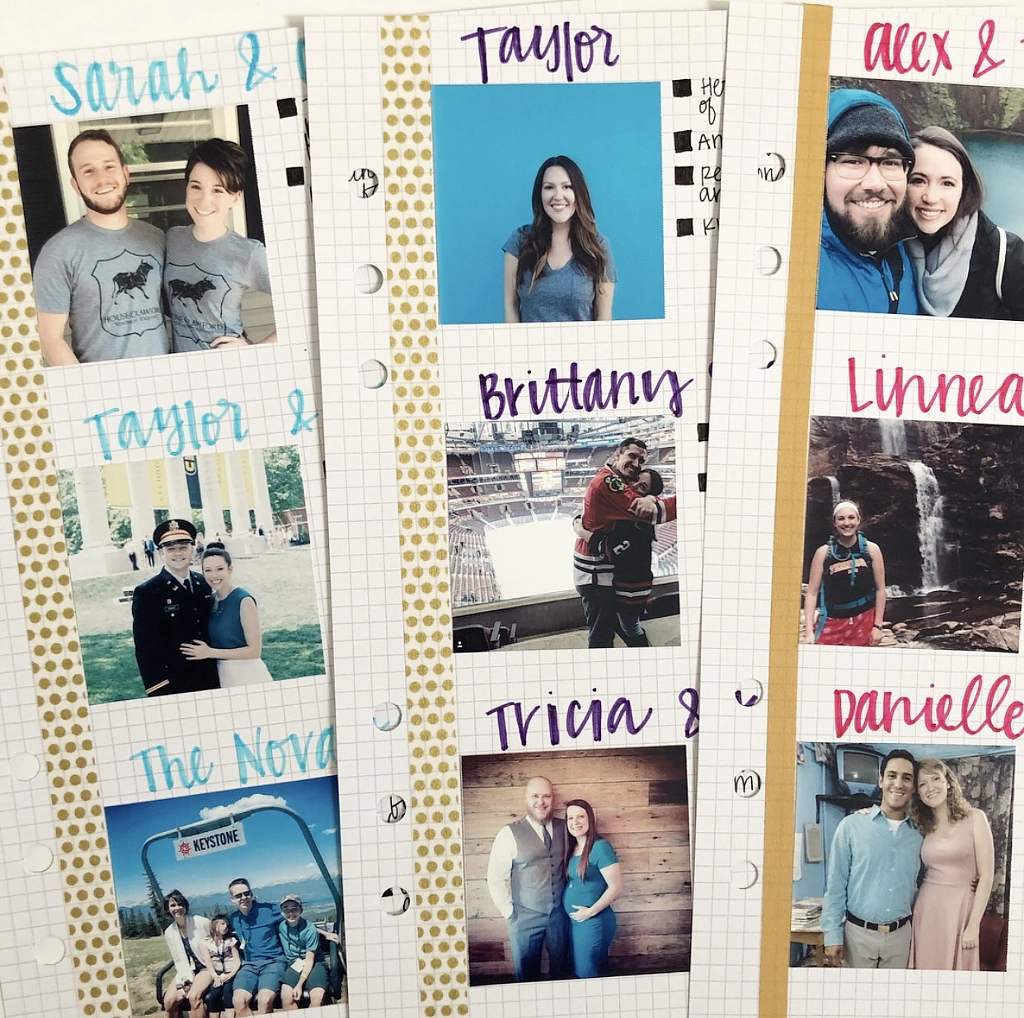
Tuesday – Friends, Small Group
This is easily my most robust section, as it includes both photos of each person/couple, scripture I pray over each, and any prayer requests or things going on in their lives that I want to pray for. It brings me so much joy to see their sweet faces as I’m lifting them up in prayer.
Wednesday – Non-Believers, Social Media/Influence, Blog
The third day of the week is all about praying for non-believers all over the world and non-believers we interact with on daily basis. I pray for interactions with non-believers and the people we may have influence on in terms of social media, the blog, etc.
Thursday – Our Jobs, Work, Stewardship/Finances, Military
This is a big one – I pray for our specific roles and interactions at work as well as the way we steward our money and pay off our student loans. I ask God to continually give us direction in these things. I specifically work with people who have served in the military, so i’ve included that in this section as well.
This is pretty self explanatory, but I also have pictures, verses, and specific things I am praying for for each person in my immediate family and my relationship with them.
Saturday – Kevin’s Family
This is the exact same set up as I have for my family, except with Kevin’s side.
Sunday – Government, Our Community, The Crossing (Our Church), Missionaries, Ministries and Organizations we Support
This is also quite the doozy of a section. I originally had these split apart but I kept feeling myself overlapping them in prayer, so I put them all together. I’ve found a couple really great prayers online for each of these.
Enneagram Quote about Resting in God’s Presence – As I have studied the Enneagram, I have learned a lot about the impact it has on my faith and some of the things that I have a hard time with. For me, that is being still before God. No question that this has always been a struggle, but I had just always called it a distraction or wandering brain. I picked out a couple quotes from The Sacred Enneagram and some images from @xoenneagram on Instagram that relate to this topic and the Enneagram.
I’ve drawn a lot of inspiration from Cori the Reset Girl (her video is below), but there are tons of great resources on the internet.
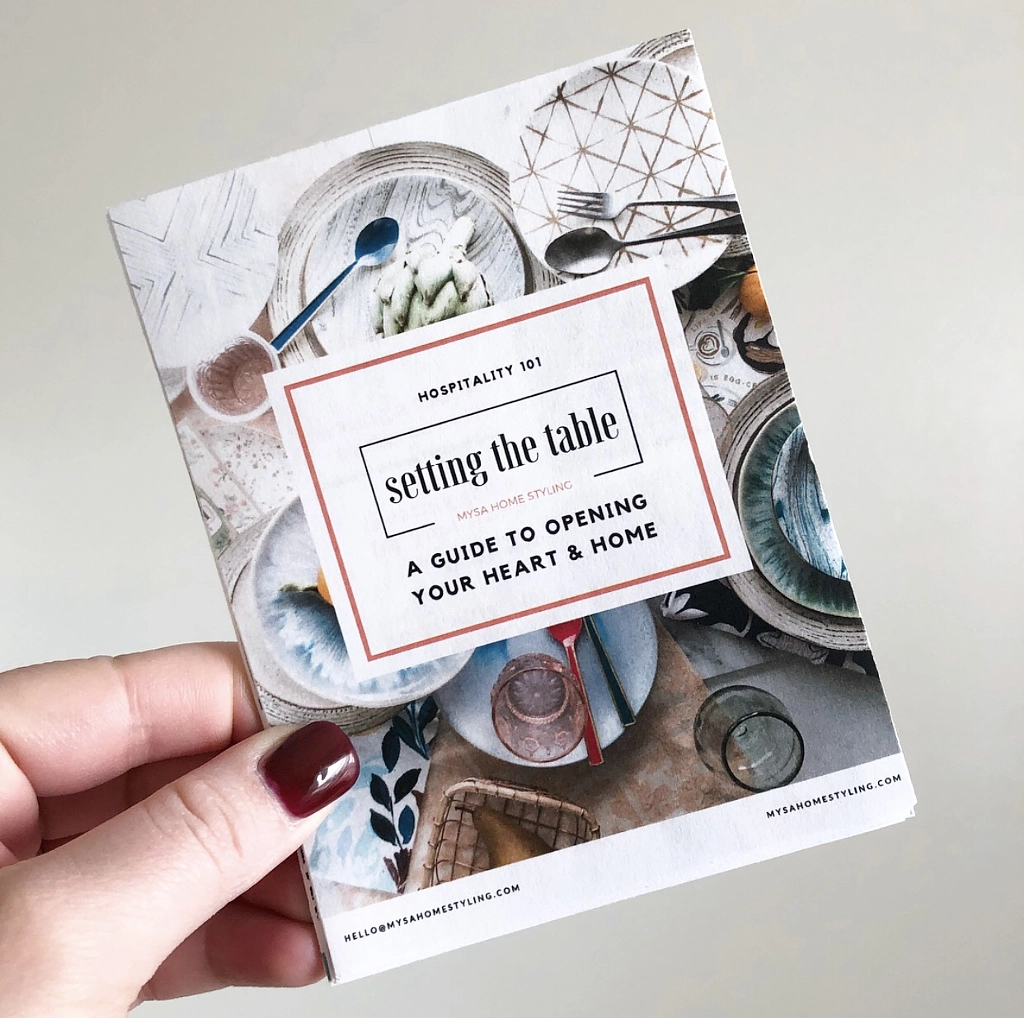
Mysa Home Styling’s Setting the Table – you have to sign up for emails to get this little guide, but I’m telling you, it’s worth it. I keep this in the front of my prayer binder and it’s been a good reminder to make my home more comfortable for others.
In the morning I lay my requests before you and wait expectantly. – Psalm 5:3
Is anyone else here a fan of the Enneagram? I started learning about it a year ago and since then, it’s been such an awesome tool to learn about myself and how I relate to people around me.
If you’re not familiar, the Enneagram is a typology of nine interconnected personality types. On a basic level, it helps you determine who you are and why you operate the way you do. Even though there are lots of tests similar to this -strengths finder, Meyers Briggs, etc – this one really has a growth mindset and has a foundation of faith.
I’m a type 8 (The Challenger) and in all my research, one of the most helpful things I’ve learned about myself is that I tend to have a hard time being still before God, which means I need to work extra hard at it.
Since realizing this, I’ve been setting aside 5 minutes a day to be still and it’s been super encouraging. Lately, I’ve been hearing God tell me to wait expectantly. This bible journaling entry is a representation of my busy mind contrast with the hope of God’s word.
So now I’m curious, what number are you? Let me know below!
Prayer is not designed to inform God, but to give man a sight of his misery; to humble his heart; to excite his desire; to inflame his faith; to animate his hope; to raise his soul from earth to heaven. and to put him in mind that there is his Father, his country, and his inheritance. He is a Father to whom we pray; let us go to him with confidence: he knows our wants; let us remove far from us all anxious disquiet and concern. – Adam Clarke